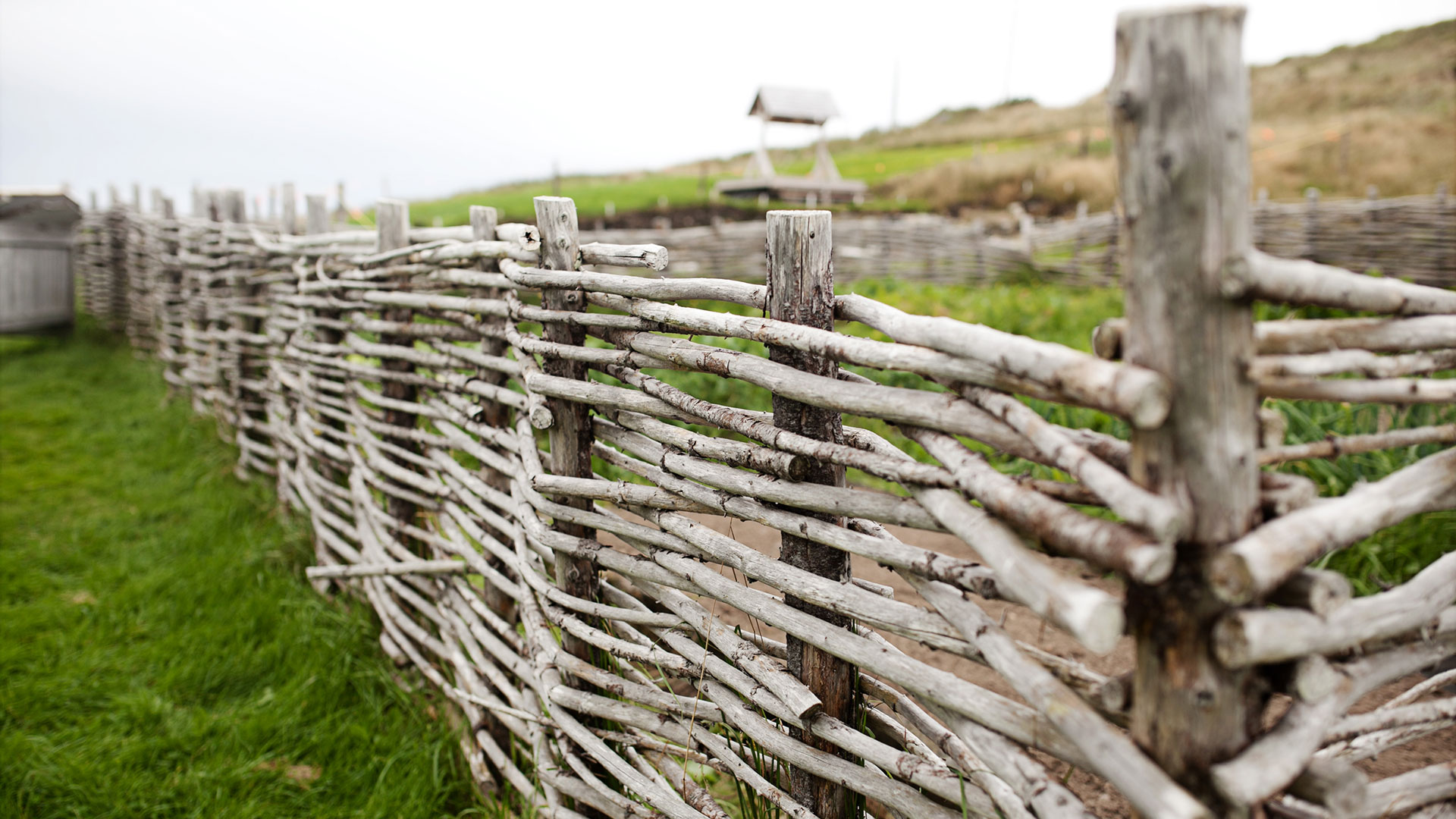
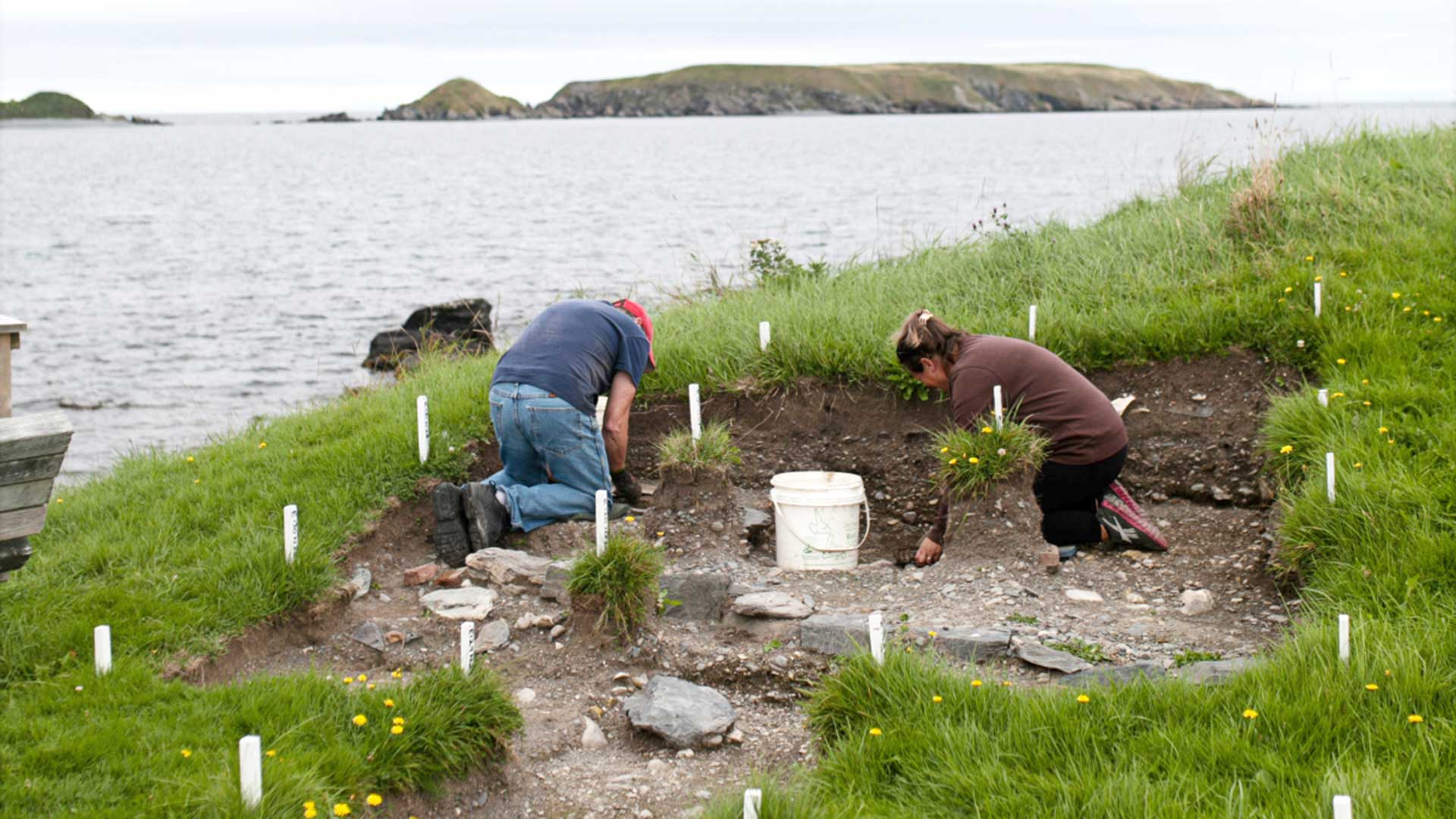
The four-acre archeological site, which was discovered by Dr. Jim Tuck in 1980, has helped uncover one of the most significant early settlements in the country. To date, the dig has uncovered upwards of two million 17-century artifacts, many original structures, including a mansion house, brewery, bakehouse, and cobblestone road.
Kate Pitcher, executive director at Colony of Avalon, explains that the site is now a not-for-profit organization, which mostly funds itself through donations, tours, and enhanced programming at the site.
“The Colony of Avalon employs dozens of locals a year, bringing new economic growth into the Southern Shore,” Pitcher says. “We educate people about our history and the early life of colonists in North America. Sharing the stories of people long gone allows us to connect with our history and share stories unique to the southern shore.”
While the site is a popular tourist destination, for locals and visitors, and features a number of on-site revenue generators, including the interpretation centre, gift shop, and a tea house, the organization recently wanted to enhance its offerings and its community connections. CBDC Celtic was a natural partner to help through its Social Enterprise Loan program.
“CBDC has been greatly helpful to our organization. CBDC is always there to answer our questions and help our organization grow,” Pitcher says.
CBDC has always focused on the development of social enterprise, which generates income to support and sustain social and community development goals, in particular in rural communities. CBDC can provide loans of up to $150,000 to eligible social enterprises to start or grow.
Thank you to our Government of Canada partners at the Atlantic Canada Opportunities Agency (ACOA), who collaborate with us to support small businesses and aspiring entrepreneurs. Together, we will continue to build a stronger Atlantic Canadian economy, fostering job growth and strengthening our rural communities.