
CBDC Shelburne services Shelburne County, located on the southwest shore of Nova Scotia. Shelburne County consists of the Towns of Clark’s Harbour, Lockeport, and Shelburne and the Municipalities of Barrington and Shelburne.
CBDC Shelburne opened its first office in Shelburne County in 1990 to provide small business support to residents in the transition from the traditional fishing industry to other business.
Today CBDC Shelburne operates a full-time office at Shelburne, part time offices at Barrington Passage and Lockeport, and offers outreach services providing financial and business advisory services to all residents of Shelburne County.
CBDC Shelburne partners with other economic development agencies with the aim of enhancing and increasing delivery of our services and promoting small business development in Shelburne County. We partner with Employment Nova Scotia Labour & Workforce Development, to provide income support incentives, and with Atlantic Canada Opportunities Agency, to support rural development and to foster new business startups and expansions.
Present Day
Shelburne County, with a population of 14,496, is located on Nova Scotia’s scenic lighthouse route and showcases many pristine, white sand beaches, numerous lakes and rivers, and offers recreational activities such as camping, hiking and fishing. Local industry is comprised of fishery, mining, agriculture, and tourism related businesses. Shelburne Harbour is the 3rd deepest natural harbour in the world making it a perfect setting for sailing, kayaking and other water sports. Shelburne County is a very beautiful, peaceful, quiet place to live, work, relax and enjoy nature while providing amenities such as hospitals, schools, restaurants, community activities, golf and shopping.
Our Community
Clark’s Harbour is situated on Cape Sable Island. Lying adjacent to rich fishing grounds, it has always been an important fishing and fish-processing community. It is the birthplace of the famed Cape Island Boat, a style developed in the early 20th century with distinctive high bows and a long, broad, open workspace, low to the sea which makes it handle well in both rough seas and shallow water. Cape Island Boats of various sizes are found everywhere on the Atlantic coast of the province and used in most fishing and seafood harvesting operations. The residents, who arrived in the early 1800s, are chiefly descendants of New England Planters.
Lockeport is situated on a near island in the Ragged Islands Bay of the south shore. The area around the harbour is known as “Ragged Islands”. Joseph Hardy and Josiah Churchill founded the settlement which was known as Locke’s Island. Inhabitants renamed it “Lockeport” and in 1907 it was incorporated with Churchill Locke as the first mayor.
Lockeport’s Crescent Beach was on the back of the 1954 series of the Canadian 50 dollar bill. The community also has a 125 year history of Icelandic settlement.
Shelburne was founded in 1783 by New England settlers who supported the British during the American Revolution. The first 440 families of Loyalist settlers arrived in Shelburne in 1783. Along with the Loyalists, 3,500 Black Loyalist settlers, many of whom were slaves who fought with the Colonists, arrived in Shelburne with the promise of land and rations. By 1783, the population of Shelburne was estimated at 16,000 and in 1784 more settlers arrived making Shelburne the largest town in British North America. At that time Shelburne was considered the capital of Nova Scotia.
Race riots over land and jobs forced the Black Loyalists to move to Birchtown and in 1792 many of them left by ship to Sierra Leone. Resentment from people in Halifax over their provincial supremacy, incompetent and corrupt officials, and race riots over jobs and land caused a huge exodus of settlers. By 1894 Shelburne was the first ghost town in Canada with a population of only 300.
Barrington, known as the Lobster Capital of Canada, is located on the southernmost tip of Nova Scotia. The early French settlements were destroyed during the 1755 Acadian expulsion, and were replaced by the British settlements of loyalist New Englander Planters and fishermen following the American Revolution. The Woolen Mill Museum began as a community enterprise in 1882 and was called the Barrington People’s Wool Manufacturing Co. It has on display a beautiful woolen tapestry that features a bit of the creation of the Nova Scotia Tartan. It houses the last water-powered mill in Eastern Canada. Barrington has the only lighthouse which you can enter and climb to the top for an excellent view of Barrington Bay.
B0W 1G0
B0T 1L0
Investment decisions are made by an independent Board of Directors sensitive to the needs of its community. The directors are volunteers from the business sector dedicated to making their community a better place in which to live and work.
The strength of the CBDCs is in our volunteer boards. They have an intimate knowledge of the local markets, the business environment and the people in their communities.
- Donna LeBlanc - Messenger – Board Chair
- Anthony Gosbee – Vice Chair
- William (Bill) Cosby – Secretary
- Allison Blades
- Jim Chandler
- Bruce Bennett
- Karla Wilms
- Wayne Williams
CBDC provides tailored financing, expert guidance, and essential support.
This program provides financial assistance for individuals starting their first business or buying an existing one. The loan helps first time small businesses overcome the barriers of traditional lending and offers the guidance needed to launch a successful venture.
The CBDC General Business Loan offers up to $150,000 in flexible financing for rural Atlantic Canadian businesses seeking to start, expand, or improve operations, helping support economic growth and job creation in local communities.
The CBDC Innovation Loan provides up to $150,000 to help rural Atlantic Canadian businesses adopt new technologies, improve productivity, enhance services, train staff, and support infrastructure upgrades to remain competitive and drive economic growth.
The CBDC Social Enterprise Loan offers up to $150,000 to support rural Atlantic Canadian non-profits in starting, expanding, or upgrading socially-driven business operations that promote sustainable economic and community development.
The CBDC Youth Loan offers up to $150,000 in financing for rural Atlantic Canadian entrepreneurs aged 18–34 to support business startup, expansion, or modernization while fostering employment and economic growth in their communities.



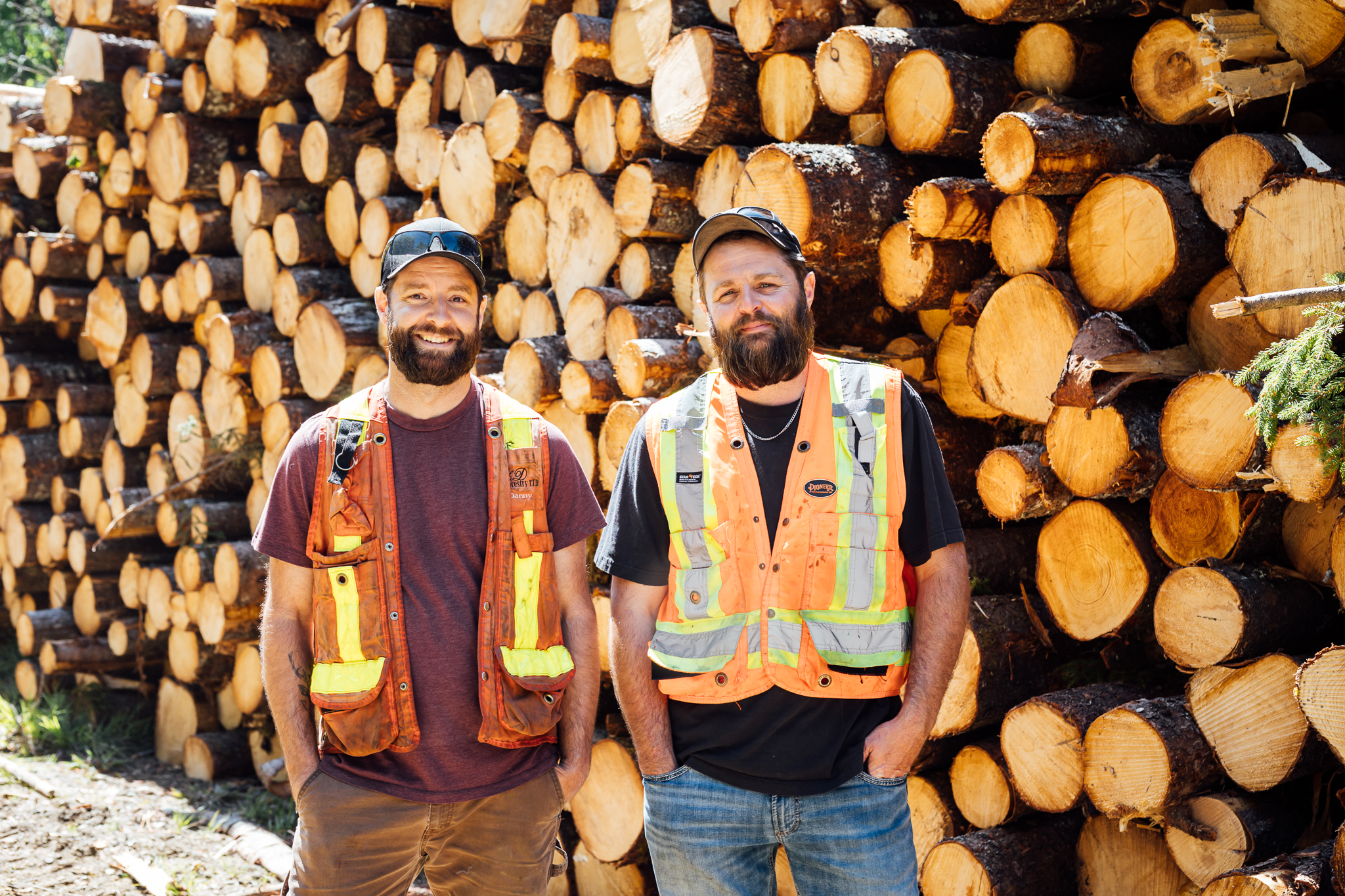
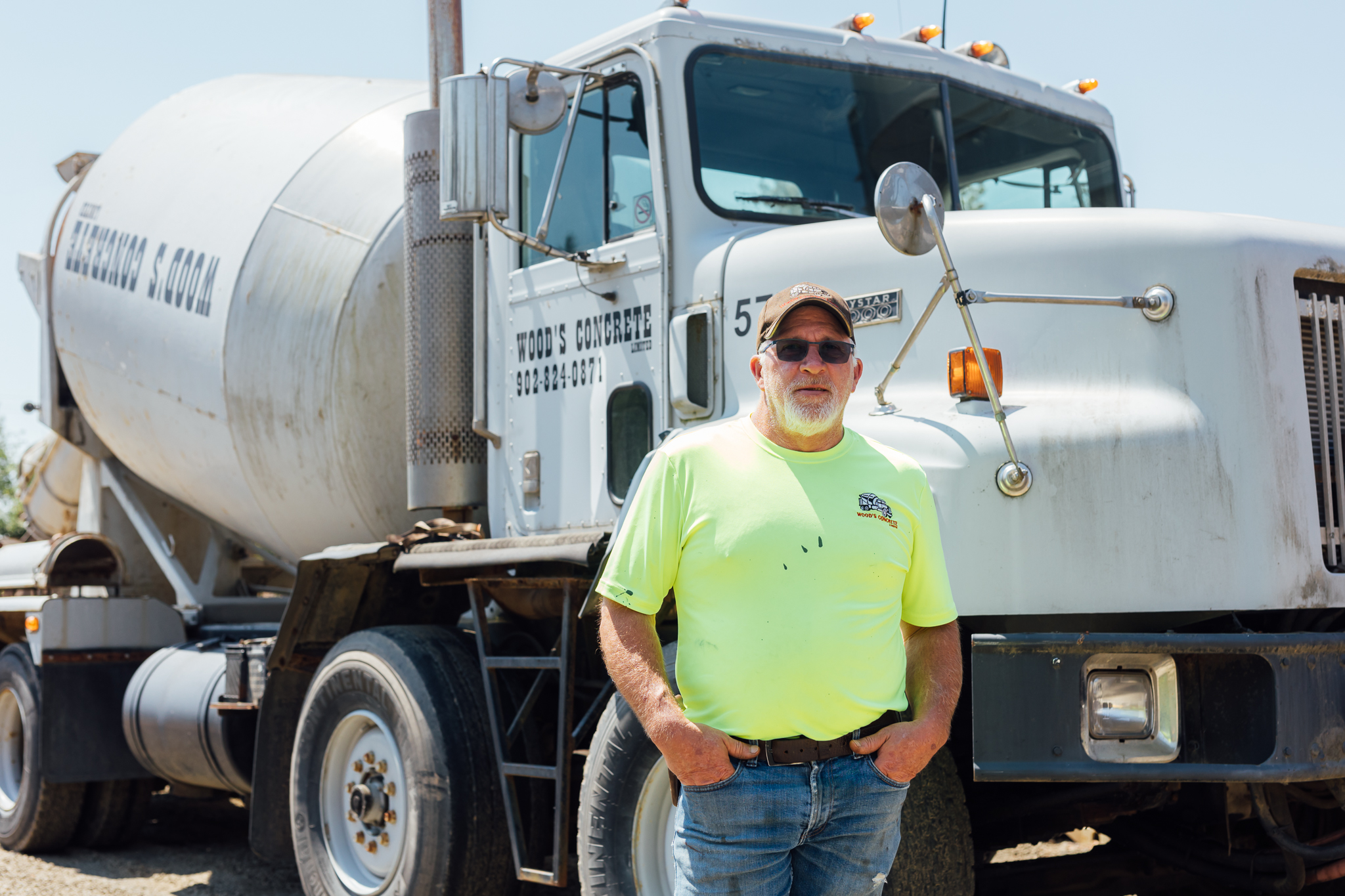

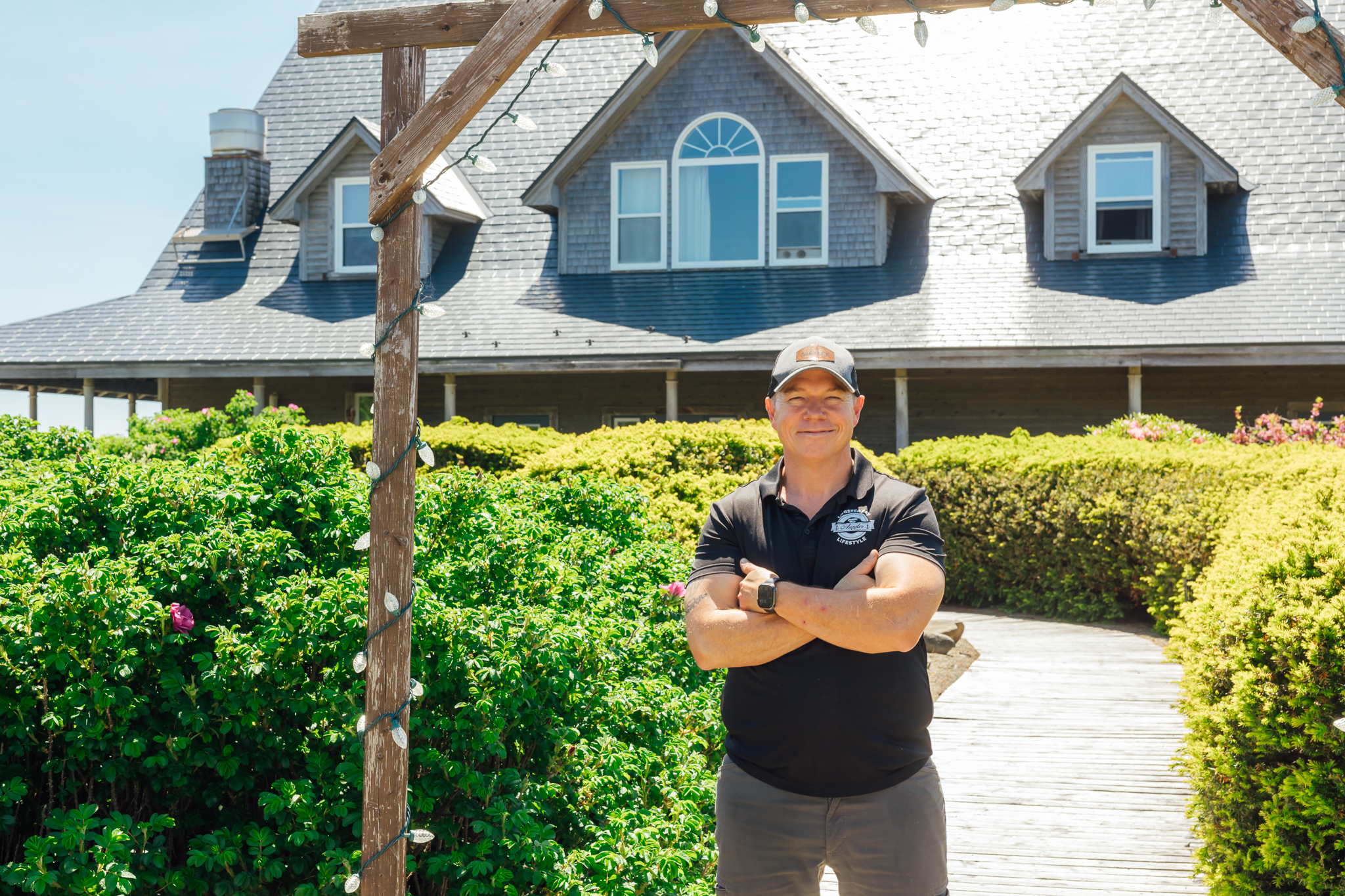
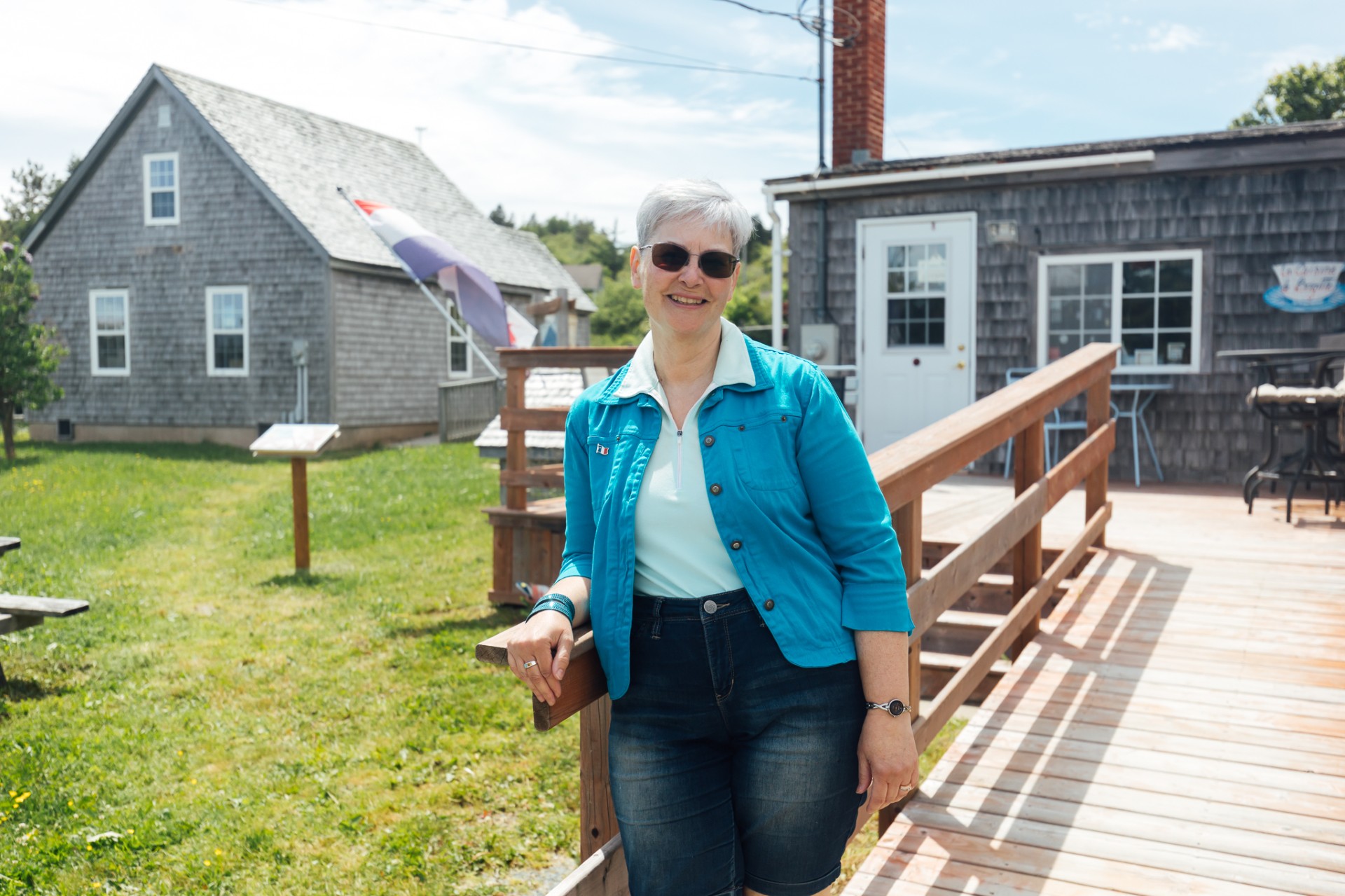

We offer tailored financing, expert business advice, and practical support to help your business succeed. Whether you’re starting, expanding, or innovating, we’re here to guide you every step of the way.
Let’s discuss how we can elevate your business together.